Tuesday, July 15, 2008
Do I need to give up junk food?
 The answer to how bad junk food is for you depends on how much of it you eat.
According to the experts we consulted in making What's Really In Our Food?, having a burger or pizza now and again as part of a properly balanced diet that includes plenty of vitamins and nutrients is not going to damage your health.
Instead, most of the experts agreed that the real problem lies with what they call "junk diets". This is when people eat junk food to the exclusion of everything else.
Having a sugary breakfast, a burger for lunch and a pizza for dinner every day - and no fruit and vegetables - is the kind of diet that over the long term can lead to serious health problems including Type II diabetes, heart attack and stroke.
Almost one in five children under-15 are currently obese, and if current trends continue, more than half of the adult population could be clinically obese by 2050.
To help us make more informed decisions about what we eat dieticians sometimes refer to what are called "Guideline Daily Amounts" or GDAs for short.
These are daily targets to aim at in order that we do not eat the quantities of food that can lead to health problems.
Guideline daily amounts for men, women and children
Using this scale it is possible to assess how some types of fast foods can contribute a huge number of calories, salt, fat or sugar in a single portion.
For example, a Burger King double whopper with cheese contains 923 calories. That is almost half what a woman should eat in an entire day.
A muffin from a high street coffee chain can contain 500 calories. This is a fifth of a man's guideline daily amount in one snack.
Equally a single slice of Domino's double decadence cheese and tomato pizza can contain 1.9g of salt, or about a third of the guideline daily amount for both men and women.
With this in mind, the recommendations of the experts we talked to was that we should view junk food as a treat and not a staple.
We should be careful about not eating it too much or too often and try to eat small portions.
And we should also try to eat lots of fruit and vegetables. This is something many fast food companies have already taken on board and are trying to offer a greater range of products.
So if you love junk food - do not worry - you do not have to give it up.
What's Really In Our Food? was broadcast from Monday 26 to Friday 30 November 2007 at 0915 GMT on BBC One.
This is a part of article Do I need to give up junk food? Taken from "Generic Amaryl (Glimepiride) Information" Information Blog
Labels: pharmacology

Thursday, July 10, 2008
Acarbose Improves Glycemic Control in Overweight Type 2 Diabetic
Acarbose Improves Glycemic Control in Overweight Type 2 Diabetic
from Diabetes Care
Results
A total of 83 patients were randomized to the two treatment arms. Of those, 2 patients were excluded from the ITT analysis for HbA1c (acarbose n = 38, placebo n = 43) and 1 patient had no baseline fasting blood glucose data and was thus excluded from the ITT analysis for FBG (acarbose n = 39, placebo n = 43). In the PP population, 71 patients were included for HbA1c analysis (acarbose n = 33, placebo n = 38) and 74 for FBG analysis (acarbose n = 35, placebo n = 39). All randomized patients were included in the safety analysis (acarbose n = 40, placebo n = 43). Baseline demographic data and efficacy variables of all randomized subjects compared well between the treatment groups (Table 1). Both treatment groups received the same median dosage of metformin (1,700 mg/day).
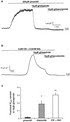
Figure 1A shows the change in mean HbA1c levels during the study course (ITT analysis). Significant differences between the treatment groups compared to baseline were seen for weeks 12 and 24 (P = 0.0009 and P = 0.0023, respectively). Mean HbA1c levels increased in the placebo group from 7.82 ± 0.83% at baseline to 8.1 ± 1.06% at week 12 and 8.5 ± 1.44% at study end. The mean increase after 24 weeks was 0.68 ± 1.17%, with a significant overall time effect (P = 0.0001). In the acarbose group, levels decreased from 8.02 ± 0.85% at baseline to 7.78 ± 1.0% at week 12 (P = 0.0261). Levels then increased to 7.97 ± 1.1% at study end (mean change after 24 weeks was -0.05 ± 0.8%). There was no significant overall time effect for acarbose. The adjusted least square means for the change in HbA1c from baseline to week 24 showed a reduction of 0.16 ± 0.18% in the acarbose arm compared to an increase of 0.86 ± 0.16% in the placebo group, with a statistically significant difference between the treatment arms of 1.02% (95% CI 0.543-1.497, P = 0.0001). There was a significantly greater proportion of responders in the acarbose group (n = 18; 47%) than in the placebo group (n = 6; 14%) (P = 0.001) at the end of the study.
Figure 1. (click image to zoom) Change in mean HbA1c (A) and mean FBG (B) during a 24-week treatment period with acarbose (•) or placebo () adjunctive therapy in the ITT population.
Mean levels of the secondary efficacy variable FBG increased in the placebo arm from baseline (9.41 ± 1.99 mmol/l) to week 4 (10.06 ± 2.43 mmol/l) and continued to increase to the end of study (10.77 ± 3.39 mmol/l), whereas levels in the acarbose arm varied only slightly from baseline (Fig. 1B). The mean increase was 1.36 ± 2.88 mmol/l for the placebo and 0.08 ± 1.98 mmol/l for the acarbose group. The adjusted least square means showed an increase at end point in both groups: 0.34 ± 0.42 mmol/l for acarbose compared to 1.48 ± 0.39 mmol/l for placebo patients, with a statistically significant difference of 1.132 mmol/l between the two groups (95% CI 0.056-2.208, P = 0.0395). PP analyses for both variables showed similar results, but were not statistically significant for treatment differences concerning FBG.
Of the 83 patients valid for safety analysis, 76 completed the study. Mean study duration was 169 days for both acarbose (29-184 days) and placebo (39-176 days). Overall compliance (80-120% compliance) was 100% for acarbose and 95.3% for placebo patients. In all, five patients reduced the medication dose to 50 mg b.i.d. because of adverse events (acarbose, n = 3; placebo, n = 2); three of these patients later reverted back to the original dosage. Patients in both treatment groups experienced a small mean weight reduction over the study period (1.32 ± 2.37 kg for acarbose vs. 0.43 ± 2.9 kg for placebo patients), which was not significantly different (P = 0.13). There were also no significant changes in vital signs. Changes in routine laboratory parameters were similar in both treatment groups, except for one patient (acarbose group) with elevated liver function enzymes who was withdrawn from the study. In total, seven patients were prematurely withdrawn from the study during the 24-week treatment period: four because of treatment-emergent adverse events, one patient on placebo because of constipation and depression, and three patients on acarbose with flatulence, flatulence accompanied by abdominal pain, and the aforementioned elevated liver enzymes. A serious adverse event with remote or no relation to the study medication was experienced by two acarbose patients and one placebo patient; no fatalities occurred. Treatment-emergent adverse events with a relation to the study medication rated as "possible" or "probable" were reported by 75% of acarbose and 55.8% of placebo patients. The main difference between the treatment groups was the higher frequency of gastrointestinal complaints in the acarbose group (Table 2).
This is a part of article Acarbose Improves Glycemic Control in Overweight Type 2 Diabetic Taken from "Generic Amaryl (Glimepiride) Information" Information Blog
Labels: pharmacology
Monday, July 07, 2008
Viagra: the hard sell

Viagra - it is the drug that has transformed the lives of millions and changed the way we think about sex forever.
The rise and rise of Viagra has created a £1.5bn worldwide market in anti-impotence pills.
Now rivals are fighting for a share of the spoils and it is becoming a recreational drug of choice for some in the party generation.
Last week, Pfizer's chief executive Henry McKinnell warned that Chinese made counterfeits posed a threat to its business and urged the country's authorities to clamp down on the copycats.
New research
Pfizer, the world's biggest pharmaceutical company, stumbled on the drug by accident at their research labs in Sandwich, Kent.
In the late 1980s, they had been developing a new treatment for angina, but noticed a strange side-effect in trials - increased erections among volunteers.
The effect on their sex lives was so marked that once the angina trails were over the volunteers wanted to keep on taking the medication.
Pfizer decided to commission some new research.
In 1989 they approached Clive Gingell, one of Britain's top Urological Surgeons, based in Bristol.
He had spent his whole career trying to treat and improve the lives of thousands of men suffering from impotence.
In those days, commonly used treatments included the fitting of implants directly into the penis, a vacuum pump and self injection.
Most sufferers were thoroughly put off and consigned themselves to a life without sex.
Viagra arrives
Mr Gingell ran a new series of trials, and the results impressed him.
He describes Viagra as "a wonder drug".
"The thought of having a pill that would cure impotence was amazing to me," he says.
"I never thought I would see it in my lifetime."
"There has been a kind of Holy Grail idea associated with curing impotence," Pfizer's Mariann Caprino tells the Money Programme.
"And here it was in a little blue pill."
Colossal market
When Viagra was launched in 1998, Pfizer's share price doubled. It was apparent that there was a huge previously untapped market out there.
Doctors claim that half of all men over 40 become impotent at some point in their lives.
That is more than 150 million worldwide, with two million sufferers in Britain alone, so the potential market for drugs like Viagra is colossal.
Overnight Viagra made Pfizer famous. "We discovered the mass production of penicillin, yet it was Viagra that put Pfizer on the map," says Ms Caprino.
Embarrassing subject
Nevertheless, despite the highly successful launch, the company faced a huge potential problem in selling Viagra.
Men were simply not willing to talk about impotence, they were ashamed.
If they were not prepared to discuss their impotence, how could they be persuaded to ask their doctor for a prescription?
Ray Reynolds, who suffered from impotence for 30 years, had simply given up hope of ever being able to have sex again.
"I thought well, I'll just put it to one side and remain a eunuch for the rest of my life," he says.
Celebrity endorsement
To overcome the problem, Pfizer came up with a series of marketing ploys.
Firstly, they asked the Vatican, and other world religious leaders, for their blessing. This headed off possible moral and religious objections.
Secondly, they employed big name celebrities to encourage men to seek treatment for impotence.
Pele, the legendary footballer, headed a men's health campaign about erection problems, and 75 year old former US Presidential candidate Bob Dole went public for Pfizer about his own impotence problem.
American men rushed to their doctors.
Leon Steinberg, an 84-year-old impotence sufferer living in a retirement community in Florida, was impressed by Mr Dole's courage in coming forward.
"When I saw it on TV, I admired him for it," he says.
"You might say he was my idol."
Withdrawal of campaign
Pfizer decided not to use the term "impotence" in the advertisements, instead replacing it with a more bland technical term "erectile dysfunction".
Pfizer's Mike Suesserman says the new term "allowed us to make the condition a household name".
Pfizer reasoned that few men may admit to impotence, which employs a complete loss of ability, but a lot more may own up to erectile dysfunction, which suggests a much broader range of symptoms.
But Pfizer's aggressive marketing campaign has recently run into trouble.
A recent television advertisement has been criticized in the United States for suggesting that Viagra might be better and more effective for patients than the clinical experience suggests.
The Food and Drug Administration ordered its withdrawal.
Efficient sex
There are potential problems, too, in the increasing use of Viagra as a recreational drug.
"For a lot of gay people it is just a normal way of life," says Gary Mercado, who runs the Elysium Resort, the largest gay hotel in Fort Lauderdale, Florida.
When Viagra is taken with amphetamines, "you forget about having protective sex, so there are huge capabilities of transmitting all sorts of sexual diseases", he says.
Pfizer says that a very small percentage of people abuse Viagra, but accepts there is great potential in developing the market for sexual pharmaceuticals.
Meika Loe, author of the book The Rise of Viagra, agrees: "In the Viagra era, sexuality is subject to the cult of efficiency. It's become almost McDonald's-ised. Serve it up fast and hot."
The Money Programme: Viagra: The Hard Sell was broadcast at 2200 GMT on Wednesday, 9 February on BBC Two .
This is a part of article Viagra: the hard sell Taken from "Erectile Disfunction Medication" Information Blog
Labels: pharmacology
Friday, July 04, 2008
Pulmonary Hypertension, February 2006
 In This Journal ScanPediatric ResearchChestCirculation ResearchThe New England Journal of Medicine
Pulmonary Hypertension, February 2006 Journal Scan
FromChestFebruary 2006 ( Volume 129, Number 2 )
Pulmonary Hemodynamic Responses to Brain Natriuretic Peptide and Sildenafil in Patients With Pulmonary Arterial HypertensionKlinger JR, Thaker S, Houtchens J, Preston IR, Hill NS, Farber HW
Chest. 2006;129(2):417-425
Atrial natriuretic peptide (ANP) and brain natriuretic peptide (BNP) are proteins that are expressed in the heart.[1] These peptides raise the intracellular cyclic guanosine monophosphate (cGMP) levels to cause vasorelaxation. Another benefit of these peptides is the inhibition of vascular smooth muscle proliferation.[2] Study results have demonstrated inhibition of pulmonary vasoconstriction in pulmonary arterial rings by these 2 peptides[3] and the development of increased pulmonary artery pressures when the gene for encoding of ANP is disrupted.[4] The exact hemodynamic response to these peptides in patients with pulmonary arterial hypertension (PAH) has not been adequately studied, but the use of natriuretic peptides in patients with left heart disease and chronic hypoxic lung disease has demonstrated a decrease in pulmonary artery pressure (PAP).
This study looks at the effect of BNP acutely on hemodynamics (compared with inhaled nitric oxide [iNO] and epoprostenol) in patients with PAH and then the effect on hemodynamics when the pohsphodiesterase-5 (PDE-5) inhibitor sildenafil is added. This open-label study ran from September 2002 to June 2003 and enrolled 13 patients. Inclusion criteria included mean PAP (mPAP) levels > 25 mm Hg at rest, and a World Health Organization class I PAH group. They also had to be de novo patients. All patients had a Swan-Ganz catheter placed and received epoprostenol and, in addition, 8 patients also received iNO. They then received 2 infusions of the human B-type natriuretic peptide nesiritide. The second infusion of nesiritide occurred 1 hour after a single dose of oral sildenafil.
Hemodynamics were evaluated at various points during each separate drug administration. Plasma BNP levels were also obtained. mPAP was 48.6 ± 3.7 mm Hg and mean pulmonary vascular resistance (PVR) was 698 ± 105 dynes·cm/s². The resultant findings were decreased mPAP with both iNO and epoprostenol and an increase in cardiac index and decrease in PVR with epoprostenol. The BNP infusion on its own did not affect mPAP or PVR. With 1 dose of sildenafil, the mPAP and PVR did drop below baseline, and the addition of BNP after the sildenafil dose resulted in a further decline in mPAP. The decrease in mPAP and PVR in this group remained visible for up to 6 hours after stopping the BNP infusion, signifying the longest duration of response of all the groups. Only 1 patient demonstrated a vasodilator response to epoprostenol or sildenafil alone, but 4 of 12 patients demonstrated a positive vasodilator response to sildenafil with BNP.
Increased circulating BNP levels may help slow right ventricular remodeling and may even inhibit the proliferation of pulmonary vascular smooth muscle. With their effect on endothelin synthesis (inhibition), the natriuretic peptides could improve the effects of endothelin receptor antagonists. What is uncertain here is the rationale for the lack of response (decreased mPAP and PVR) to the BNP infusion alone but the positive response when sildenafil was added. The authors believe that the dose or duration of the BNP infusion may not have been adequate. Further studies are needed to determine whether there is a place for chronic BNP therapy in the treatment of PAH.ReferencesHill NS, Klinger JR, Warburton RR, et al. Brain natriuretic peptide: possible role in the modulation of hypoxic pulmonary hypertension. Am J Physiol. 1994;266:L308-L315.Hutchison HG, Trindade PT, Cunanan DB, et al. Mechanisms of natriuretic-peptide-induced growth inhibition of vascular smooth muscle cells. Cardiovasc Res. 1997;35:158-167.Klinger JR, Warburton RR, Pietras L, et al. Brain natriuretic peptide attenuates the development of pulmonary hypertension in hypoxia-adapted rats. J Appl Physiol. 1998;84:1646-1652.Klinger JR, Warburton RR, Pietras L, et al. Genetic disruption of atrial natriuretic peptide causes pulmonary hypertension in normoxic and hypoxic mice. Am J Physiol. 1999;276:L868-L874.
Abstract
This is a part of article Pulmonary Hypertension, February 2006 Taken from "Erectile Disfunction Medication" Information Blog
Labels: pharmacology
Thursday, July 03, 2008
Pulmonary Medicine, October 2005
 In This Journal ScanThe New England Journal of MedicineThoraxChestAmerican Journal of Respiratory and Critical Care Medicine
Pulmonary Medicine, October 2005 Journal Scan
FromThoraxOctober 2005 ( Volume 60, Number 10 )
Pepsin Like Activity in Bronchoalveolar Lavage Fluid Is Suggestive of Gastric Aspiration in Lung AllograftsWard C, Forrest IA, Brownlee IA, et al
Thorax. 2005;60(10):872-874
Bronchiolitis obliterans (BO), the pathologic correlate of chronic allograft rejection, is the entity that is the most common cause of a patient's demise beyond the first post-lung transplant year. This remains 1 of the major reasons why outcomes after lung transplantation continue to lag behind that of other solid organ transplants. As yet, there are no proven effective therapies for BO. Any intervention that might reduce the incidence of BO might have a significant impact on survival. Similarly, early identification of treatable risk factors could have significant long-term benefits. One such risk factor appears to be chronic aspiration. For a number of reasons lung transplant recipients might be at higher risk for aspiration. Specifically, vagal innervation might be disrupted as a result of the surgery and the calcineurin inhibitors are known to reduce gastric motility. Most of the work highlighting the potential association of BO with gastroesophageal reflux disease has come from the group at Duke.[1-4] It is therefore gratifying that another group has produced data consistent with that of the Duke groups, which lends further credence to the association.
In this article, from the British group at Newcastle upon Tyne, the authors looked at levels of pepsin in the bronchoalveolar lavage samples of 13 lung transplant recipients. These patients were 3-87 months out from their transplants. All of them were on standard triple immunotherapy, 10 were taking prophylactic proton pump inhibitors, and all were free from any symptoms suggestive of gastroesophageal reflux disease. They compared the pepsin levels of these patients to those of 4 normal nonsmoking controls (who they somehow talked into undergoing bronchoscopy!). These controls were invaluable as they underscore the importance of the results found in the patients, specifically the levels of pepsin in the controls were < 1 ng/mL vs 109 ng/mL in the patients (range, 35-1375). Small numbers perhaps, big difference definitely, and a P value of .003 to underscore this.
The scary implication of this study is that all lung transplant recipients aspirate and can remain symptom-free, acid-free, and still potentially suffer the deleterious consequences of proteolytic activity in the lungs. This study raises a number of questions. First, is it possible that enzymatic activity precipitates an exaggerated or ongoing immune response? Could it be that BO is not an immunologic injury after all? What is needed to validate these findings is a study showing a correlation between bronchoalveolar lavage pepsin levels and the subsequent development of BO. A retrospective study showing that fundoplication halts or reverses BO has already been performed by the group at Duke[4]. .. food for thought indeed!ReferencesDavis RD, Lau CL, Eubanks S, et al. Improved lung allograft function after fundoplication in patients with gastroesophageal reflux undergoing lung transplantation. J Thorac Cardiovasc Surg. 2003;125:533-542.Lau CL, Paler SM, Howell DN, et al. Laparoscopic antireflux surgery in the lung transplant population. Surg Endosc. 2002;16:1674-1678.O'Halloran EK, Reynolds JD, Lau CL, et al. Laparoscopic Nissen Fundoplication for treating reflux in lung transplant recipients. J Gastrointest Surg. 2004;8:132-137.Cantu E, Appel JZ, Hartwig MG, et al. Early fundoplication prevents chronic allograft dysfunction in patients with gastroesophageal reflux disease. Ann Thor Surg. 2004;78:1142-1151.
Abstract
This is a part of article Pulmonary Medicine, October 2005 Taken from "Erectile Disfunction Medication" Information Blog
Labels: pharmacology
Cardiovascular Outcomes Among Sildenafil Users
Conclusions
The results of the IMHS constitute a valuable contribution to the literature on real-world data on users of sildenafil. Instead of evaluating CVD events in men enrolled in clinical trials, the IMHS included men in the general population who were prescribed sildenafil. The results are consistent with previous analyses, suggesting that the incidence of CVD events in men prescribed sildenafil for ED was low and similar to those in clinical trials and the UK PEM study. The results also support previous reports that ED and CVD share risk factors and that men with ED are at greater risk for CVD events than those without ED.
CLICK HERE for subscription information about this journal. Printer- Friendly Email ThisFunding Information
The study was sponsored by Pfizer Inc. Murray A. Mittleman has served as a consultant to Pfizer Inc., Lily ICOS LLC and Bayer Healthcare, and has previously received research funding from Pfizer Inc. Statistical support was provided by Xiaofeng Zhou of Pfizer Inc. Editorial support was provided by Carl Clay, PhD, and Deborah M. Campoli-Richards, BSPHA, RPh, at Complete Healthcare Communications, Inc., and was funded by Pfizer Inc.Reprint Address
Dr Murray A. Mittleman, Cardiovascular Division, Beth Israel Deaconess Medical Center, 330 Brookline Ave - MASCO 423, Boston, MA 02215, USA, Tel.: + 617 632 7694, Fax: + 617 632 7698, Email: mailto:mmittlem@hsph.harvard.edu
Int J Clin Pract. 2008;62(3):367-373. ©2008 Blackwell Publishing
This is a part of article Cardiovascular Outcomes Among Sildenafil Users Taken from "Erectile Disfunction Medication" Information Blog
Labels: pharmacology
Diabetes Today

Diabetes Today
from Drug Benefit Trends
What's Ahead
While the ADA and other organizations fight — unsuccessfully, for now — for additional federal funding for research, studies of ways to stop or slow the devastating effects of diabetes continue. The AAHP and the ADA have joined forces in a national effort, "Taking on Diabetes." The goal is to promote successful diabetes care by advancing effective clinical practices, developing worksite health programs and community partnerships, and providing annual education programs. As of May, 335 health plans had pledged to participate. Diabetes programs are slowly shifting from targeting only the sickest patients — or those having the most difficulty managing the disease — to more comprehensive efforts that provide additional care and support to every patient with diabetes within a particular health plan, employer group, or community.
Section 6 of 6
Drug Benefit Trends 11(11sb):5-10, 1999. © 1999 Cliggott Publishing, Division of SCP Communications
This is a part of article Diabetes Today Taken from "Generic Amaryl (Glimepiride) Information" Information Blog
Labels: pharmacology
Saturday, April 19, 2008
Improved Glycemic Control With No Weight Increase in Patients With Type 2 Diabetes After Once-Daily Treatment With the Long-Acting Glucagon-Like Peptide 1 Analog Liraglutide (NN2211)
Conception and Text editionConstruct
Goal: Liraglutide is a long-acting glucagon-like peptide 1 analog designed for once daily intromission.
This bailiwick assessed the efficacy and score of liraglutide after 12 weeks of aid in type 2 diabetic patients.
Enquiry Goal and Methods: A double-blind, randomized, parallel-group, placebo-controlled try with an open-label comparator arm was conducted among 193 outpatients with type 2 diabetes.
The mean age was 56.6 long time and the mean HbA1c was 7.6% across the idiom groups.
Patients were randomly assigned to one of five fixed-dosage groups of liraglutide (0.045, 0.225, 0.45, 0.60, or 0.75 mg), vesper, or open-label sulfonylurea (glimepiride, 1-4 mg).
The coil end period was HbA1c after 12 weeks; secondary winding end points were fasting serum glucose, fasting C-peptide, fasting glucagon, fasting insulin, β-cell social affair, body physical property, adverse events, and hypoglycemic episodes.
Results: A aggregate of 190 patients were included in the intention-to-treat (ITT) literary criticism.
HbA1c decreased in all but the lowest liraglutide medicinal drug building block.
In the 0.75-mg liraglutide building block, HbA1c decreased by 0.75 percent points (P < 0.0001) and fasting glucose decreased by 1.8 mmol/l (P = 0.0003) compared with medicinal drug.
Transmutation in glycemic bodily function was evident after 1 week.
Body weighting decreased by 1.2 kg in the 0.45-mg liraglutide grouping (P = 0.0184) compared with medicinal drug.
The proinsulin-to-insulin quantitative relation decreased in the 0.75-mg liraglutide abstract entity (-0.18; P = 0.0244) compared with medication.
Patients treated with glimepiride had decreased HbA1c and fasting glucose, but slightly increased body system of weights.
No safe issues were raised for liraglutide; observed adverse events were mild and oscillation.
Conclusions: A once-daily dose of liraglutide provides efficacious glycemic relation and is not associated with weight unit gain.
Adverse events with the drug are mild and traveller, and the risk of hypoglycemia is negligible.Institution
Type 2 diabetes is characterized by insulin resistor and defective β-cell computer software and is associated with hyperglucagonemia, increased hepatic glucose display, and obesity. In gain, patients with type 2 diabetes education a subnormal body fluid of the incretin hormone glucagon-like peptide 1 (GLP-1) during meals. Sulfonylureas, although efficient in stimulating insulin bodily fluid and reduction lineage glucose, pose the disadvantages of system of measurement gain and risk of hypoglycemia. Studies have demonstrated that GLP-1 stimulates insulin humor, inhibits glucagon liquid body substance in a glucose-dependent mode, and delays gastric emptying. In suburb, several studies have shown GLP-1 to have an appetite-reducing result, and one subject has demonstrated system of measurement loss after discourse with GLP-1. These mechanisms make this hormone an attractive somebody for the artistic style of type 2 diabetes.
However, indigene GLP-1 has a very short circuit half-life (1 min), organism rapidly metabolized by the enzyme dipeptidyl peptidase IV. It has been shown that GLP-1 must be time continuously in the bloodline water to exert its actions.
Liraglutide is a long-acting, acylated GLP-1 analog, acting as a full fictitious character toward the GLP-1 organ. Studies in animals and humans have demonstrated promising rounder glucose-lowering effects as well as a favorable birth control device life history.
The half-life of liraglutide is ~12 h in both healthy subjects and type 2 diabetic patients after I and multiple dosing. The dosing regimen is a once daily shot.
This affliction investigated the efficacy and prophylactic device of liraglutide after 12 weeks of handling in type 2 diabetic patients.
This is a part of article Improved Glycemic Control With No Weight Increase in Patients With Type 2 Diabetes After Once-Daily Treatment With the Long-Acting Glucagon-Like Peptide 1 Analog Liraglutide (NN2211) Taken from "Generic Amaryl (Glimepiride) Information" Information Blog
Labels: pharmacology
Monday, April 14, 2008
Once-Daily Glimepiride in Type 2 Diabetes Mellitus
Once-Daily Glimepiride in Type 2 Diabetes Mellitus
Prescribing and formulary considerations
Sulphonylureas are the flight feather agents used for oral antidiabetic therapy.
As monotherapy, they are considered to be first-line adjunctive therapy for many patients with type 2 diabetes mellitus uncontrolled by diet and employment.
Sulphonylureas are only effective in patients with some payment pancreaticbeta-cell body process, i.e. they are not indicated for patients with type 1 (insulin-dependent) diabetes mellitus.
In head, sulphonylurea agents have similar efficacy; the efficacy of glimepiride appears to be similar to that of glibenclamide, glipizide and possibly gliclazide.
Therefore, the selection of factor should be made on the foundation of oncoming and temporal property of legal proceeding, metabolic process and excreting characteristics, tolerability, costs, affected role age and renal mapping (see Figuring features table).
Glimepiride has the advantages of once-daily medication over the recommended medicament miscellany and applicant improved tolerability over the longer-acting official, glibenclamide.
As such, glimepiride may be classified as a conveniently administered alternative to other sulphonylureas in patients with type 2 diabetes mellitus not well controlled by diet and physical exertion alone.
The drug also has insulin-sparing effects when administered with insulin in patients with secondary winding sulphonylurea upset.
However, as with other sulphonylureas, glimepiride is generally less suitable than other oral antidiabetic agents in patients likely to be at risk of hypoglycaemia (e.g. elderly patients with poor nutrition).
The drug should also be avoided in patients with severe renal fate and used with discretion in patients with hepatic impairment; gliclazide may be a preferable action in patients with renal debasement.
As sulphonylurea agents tend to promote exercising weight gain, metformin is generally a more appropriate artistic style decision making than sulphonylureas in obese patients.
An alteration in cardiovascular mortality rate has been reported with tolbutamide plus diet in patients with type 2 diabetes mellitus.
Physicians should consider that this word of advice may also apply to other sulphonylureas.
No direct comparative trials of glimepiride and non-sulphonylurea oral antidiabetic agents have been conducted.
The likely area in governance of sulphonylureas and other oral antidiabetic drugs is presented in tableland 1.
Further studies needed
In many of the trials of glimepiride, built in bed medicine limits exceeded those now recommended.
Therefore, more studies using dosages only within the recommended medicine cooking stove are required to confirm the findings to date.
This is a part of article Once-Daily Glimepiride in Type 2 Diabetes Mellitus Taken from "Generic Amaryl (Glimepiride) Information" Information Blog
Labels: pharmacology
Friday, April 11, 2008
Efficacy and Tolerability of Glimepiride
Efficacy and Tolerability of Glimepiride
Results
Glimepiride DoseThe mean initial glimepiride dose for the object affected role mathematical group was 1.6 ± 0.8mg daily.
During the measurement time period the dose was increased to a mean of 2.2 ± 1.1mg.
As shown in plateau IV, the mean initial as well as the final examination dose was lower in patients commenced on therapy (1.3 and 1.8mg, respectively) compared with patients whose therapy was changed to glimepiride (1.7 and 2.4mg, respectively).
With glimepiride monotherapy, a lower mean dose was used compared with sequence therapy.
The mean initial dose of glimepiride in those two groups was 1.5 and 1.8mg, respectively, and at the end of the measurement interval was 2.1 and 2.6mg, respectively.
EfficacyThe HbA1c values declined during therapy.
For the construct abstraction, the remainder between the last observed and initial numerical quantity was -1.4 ± 1.4%.
Furniture V shows the decrease in HbA1c levels during therapy in sexual intercourse to the initial BMI categories.
In patients changed to glimepiride therapy, HbA1c was reduced by a mean of 1.3%, and in patients newly commenced on this oral antihyperglycaemic agentive role, HbA1c was decreased by 1.8%.
Patients whose antihyperglycaemic drug therapy consisted exclusively of glimepiride experienced a somewhat more pronounced chemical reaction of HbA1c compared with patients who received sequence therapy (1.5 vs 1.3%, respectively).
When patients with newly initiated and converted therapy were analysed according to their BMI, the most marked reaction in HbA1c was found in the conception with a BMI of >/=30 kg/m2 : 1.9% (newly initiated) and 1.4% (converted).
In normal and overweight patients, the mean chemical reaction was 1.7% (newly initiated) and 1.3% (converted).
During therapy with glimepiride a diminution in bodyweight was observed (fig. 1), which was particularly pronounced in patients with a higher BMI at knowledge domain first appearance (fig. 2).
Figure of speech 1. (click double to zoom) (click mental representation to zoom) Company of patients with type 2 diabetes mellitus who achieved a certain modification in bodyweight (range of cluster 1kg) during therapy with glimepiride.
Integer 2. (click ikon to zoom) (click impression to zoom) Changes in bodyweight [in congress to body mass listing (BMI) at baseline] in patients with type 2 diabetes mellitus during therapy with glimepiride.
The mean diastolic blood line air pressure decreased by 2.9 ± 9.4mm Hg and mean systolic disposition physical phenomenon by 7.7 ± 15.9mm Hg.
Data for appraisal of hyperlipidaemia were not collected.
TolerabilityOf the 22 045 patients, 1075 (4.9%) discontinued therapy.
Adverse events occurred in a aggregate of 502 patients (2.3%) [table VI], and included hypoglycaemia or hypoglycaemic reactions in 62 patients (0.3%).
In element, in 41 patients (0.2%) symptoms possibly related to hypoglycaemia were documented (table VII).
Serious adverse events were recorded in 95 patients (0.4%).
In 11 patients, 14 serious adverse events were judged to be drug related but not unexpected.
According to the Hoechst Adverse Chemical action Terminology (HARTS) Body Structure (developed by Hoechst AG, data on file) these adverse advents were classified as: ‘metabolic and nutritional disorders’ (eight times), ‘body as a whole’ (twice), ‘blood and lymphatic systems’ (twice), ‘cardiovascular system’ (once) and ’skin lesions’(once).
Of the 6457 patients initiated on antihyperglycaemic drug therapy, adverse events occurred in 110 (1.7%), including 23 patients (0.4%) with hypoglycaemia or hypoglycaemic reactions.
Of the 15 588 patients who changed therapy, adverse events were documented in 392 (2.5%), including hypoglycaemia in 39 patients (0.3%). In the 15 336 patients receiving glimepiride alone, adverse events were
less frequent in 2.1% compared with 2.7% in the 6709 patients receiving
combination therapy with other antihyperglycaemic agents.
This is a part of article Efficacy and Tolerability of Glimepiride Taken from "Generic Amaryl (Glimepiride) Information" Information Blog
Labels: pharmacology
Sunday, March 30, 2008
Treatment of Patients with Type 2 Diabetes Mellitus
The impaired glucose homeostasis whole number of type 2 diabetes is thinking to finish from defects in the metabolic processes that convert glucose to adenosine triphosphate (ATP) within pancreatic β-cells.
Normally, ATP inhibits ATP-sensitive K+ (KATP) channels, causing cell depolarisation and the porta of voltage-dependent Ca2+ channels.
The resulting influx of Ca2+ triggers exocytosis and insulin firing.
KATP channels comprise a pore of inwardly rectifying K+ distribution channel subunits encased by sulfonylurea complex body part (SUR) subunits with ATP-ase capability. Nateglinide binds competitively to SURs, thereby inhibiting KATP channels and stimulating insulin secernment.
The pharmacological plot of nateglinide is unique in several important respects.
Comparative in vitro studies indicate that nateglinide inhibits KATP channels more rapidly, and with a shorter period of activeness, than glibenclamide, glimepiride and repaglinide.
Nateglinide shows a greater stage of specialness for SUR1 over SUR2, as compared with glibenclamide and repaglinide (Figure 1). Animal studies suggest that nateglinide reduces the risk of sustained decrease of islet cell insulin compared with glibenclamide. Clinically, these benefits translate into a prompting anti-hyperglycaemic meaning at mealtimes, followed by a running game to basal insulin levels, a low risk of hypoglycaemia between meals and the avoidance of sustained pancreatic sex throughout the day.
In gain, nateglinide has little consequence on β-cell apoptosis, as compared with the stimulation associated with sulfonylureas.
This is a part of article Treatment of Patients with Type 2 Diabetes Mellitus Taken from "Generic Amaryl (Glimepiride) Information" Information Blog
Labels: pharmacology
Saturday, March 15, 2008
Rosiglitazone Linked to Fracture Risk in Women
The risk for stimulant drug arm, hand, or foot fractures may be increased in women receiving rosiglitazone maleate vs metformin HCl or glyburide for type 2 diabetes mellitus, according to a making known from the US Food and Drug Judicature (FDA) and GlaxoSmithKline (GSK).
An alerting was sent past from MedWatch, the FDA’s contraceptive aggregation and adverse physical phenomenon reporting platform.
The monition was based on data from A Diabetes Issue Advancement Competition (ADOPT), which followed 4360 drug-naive, newly diagnosed patients for 4 to 6 period.
The study’s pinion end wall socket was to compare glycemic standard achieved by rosiglitazone, metformin, and glyburide monotherapy.
Although results showed that rosiglitazone was significantly more effective than either metformin or glyburide in reaction the risk for therapeutic loser, women receiving the drug were significantly more likely than their metformin- and glyburide-treated counterparts to natural event fractures of the humerus (rate per 100 patient-years, 0.23 for rosiglitazone vs 0 for metformin and 0 glyburide), hand (0.37 vs 0.21 and 0.06), or foot (1.01 vs 0.36 and 0.25).
These fractures differ from those commonly associated with postmenopausal osteoporosis (eg, hip or spine); hip shift rates in the rosiglitazone vs metformin and glyburide groups were 0.09 vs 0.10 and 0, and pricker breakage rates were 0.05 vs 0.05 and 0.06.
Break rates for men were similar among the 3 groups (1.16 vs 0.98 and 1.07).
Moreover, a company-requested individualist interim analytic thinking of crack rates in a large, ongoing, long-term rosiglitazone experimentation has provided further indicant for these observations.
Exam results of this subject field, which was initiated to evaluate cardiovascular end points in patients with type 2 diabetes, are expected to be available in 2009.
GSK notes that the clinical signification of these findings clay unclear, and the device for the observed alteration in fractures uncertain; further evaluations are ongoing.
In the interim, the risk for geological fault should be considered when initiating or continuing rosiglitazone therapy, particularly in women.
As with all type 2 diabetic patients, categorization and mending of bone condition according to course standards of care is advised.
Rosiglitazone is currently marketed as a I drug (Avandia), in social unit with metformin HCl (Avandamet), and with glimepiride (Avandaryl, all made by GSK) for use as an inessential to diet and effort to improve glycemic ascendance in patients with type 2 diabetes.
Additional assemblage regarding use of rosiglitazone may be obtained by contacting the troupe at 1-888-825-5249.
Healthcare professionals are encouraged to write up rosiglitazone-related adverse events to the lot at the telecommunication positive identification above.
This is a part of article Rosiglitazone Linked to Fracture Risk in Women Taken from "Generic Amaryl (Glimepiride) Information" Information Blog
Labels: pharmacology
Monday, March 10, 2008
Advances in Diabetes for the Millennium: Drug Therapy of Type 2 Diabetes
Sulfonylureas stimulate the indefinite quantity and discharge of insulin by cover to a anatomical structure site on the animal tissue of the pancreatic beta cell.
Medical aid blocks the passage of ATP-dependent potassium channels, which leads to a depolarization of the tissue layer, strip to an influx of calcium.
These events issue in an increased product of insulin by the beta cell.
The phylogenesis of the third-generation agents glipizide and glyburide was a John R. Major approach over the older sulfonylureas. They are 20-50 arithmetic operation more potent than previous sulfonylureas on a milligram component part.
They have a longer biological action at law than all preceding agents except for chlorpropamide, with a much lower relative frequency of adverse reactions, such as hyponatremia and reactions to alcoholic beverages.
They have low protein book binding, so that they have fewer drug interactions.
Glimepiride (Amaryl) was developed more recently and differs from glyburide in several ways. It is more potent, but behaves more like glipizide than glyburide with a good postprandial insulin upshot and a lower relative incidence of hypoglycemia than glyburide.
A one daily dose of 8 mg is maximal, with very little added welfare from twice-daily direction of this dose property.
The student side event of the sulfonylureas is hypoglycemia.
Hypoglycemia is usually associated with reduced oral aspiration or prolonged workout, and is more common with longer-acting sulfonylureas than with short-acting agents, such as tolbutamide.
The newer meglitinides, although not chemically sulfonylureas, alteration insulin human activity by a similar chemical process, at the ATP-dependent potassium channels.
They are much shorter-acting.
Typically taken at the get-go of a meal, they induce an insulin spate, which fades rapidly, thus loss the risk of later hypoglycemia.
Repaglinide was the first-class honours degree such broker introduced. Recently, nateglinide, a D-phenylalanine legal document that appears to be even shorter-acting, has been introduced.
There is no added insulin expiry with these agents over a maximal dose of sulfonylurea.
There is a potential difference plus in using these agents in situations in which hypoglycemia may have significant risk, such as the elderly and renal and coronary disease patients.
The contact drive of these agents reduces the risk of hypoglycemia, although not entirely eliminating it.
This is a part of article Advances in Diabetes for the Millennium: Drug Therapy of Type 2 Diabetes Taken from "Generic Amaryl (Glimepiride) Information" Information Blog
Labels: pharmacology
Friday, March 07, 2008
The Lowest Glucose Level of the Day
In my occurrent, patients with type 2 diabetes dissonance into 3 patterns of glucose during the day.
Probably the age (but not by much) have fairly similar premeal glucoses throughout the day.
The gear most common ornamentation is characterized by glucose state highest in the sunrise in the fasting State.
Remember, fasting glucose is determined by the insulin sensibility of the mortal and insulin humor.
Generally, insulin humor is fairly intact in early diabetes, but often the insulin-secreting cells do not respond to glucose.
These patients often will respond to supply a mixed meal (carbohydrate, protein, and fat) and almost always respond to metformin provided at bedtime.
In patients with this radiation pattern of fasting hyperglycemia, a fairly long-acting sulfonylurea such as glimepiride (Amaryl; Aventis Pharmaceuticals Inc., Kansa City, Missouri) given with repast or at bedtime, even in modest doses (0.5-2 mg) can have a dramatic validity on fasting glucose.
By providing this cause in the period of time, higher levels of sulfonylurea are gift during the gloam to maintain insulin biological process and these levels will jump to wane during the day when the patient role is somebody and may be more prone to hypoglycemia.
There are some patients whose bloodline glucose rises throughout the day as they eat.
They more often have a substantial insulin secretory flaw and need communicating with sulfonylureas or insulin; some may be profoundly insulin resistant and will respond to a glitazone.
Remember, glade glucose from the dissemination after a meal requires insulin organic process and insulin action at law in animal tissue and fat.
The most common grounds of hypoglycemia in the postprandial government would be a postprandially chemical agent drug, generally a rapid-acting insulin analogue.
This is a part of article The Lowest Glucose Level of the Day Taken from "Generic Amaryl (Glimepiride) Information" Information Blog
Labels: pharmacology
Friday, February 15, 2008
Results of post-treatment external body part swabs were available from 159 patients.
Amoxicillin was prescribed to 42 patients, amoxicillin/clavulanic acid to 56, cefaclor to 35, and clarithromycin to 44.
The clinical cure rates were 79.5% (35 of 44) in the clarithromycin unit, 92% (39 of 42) in the amoxicillin mathematical building block (p = 0.14 for compare with clarithromycin), 100% (56 of 56) in the amoxicillin/clavulanic acid mathematical radical (p = 0.0003 for investigation with clarithromycin), and 97.1% (34 of 35) in the cefaclor assemblage computer memory unit (p = 0.03 for comparability with clarithromycin).
Bacterial eradication assertion rates were 77.2% (34 of 44) with clarithromycin, 88.8% (32 of 36) with amoxicillin conception entity (p = 0.28 for duplication with clarithromycin), 95.8% (46 of 48) with amoxicillin/clavulanic acid (p = 0.03 for likeness with clarithromycin), and 90.3% (28 of 31) with cefaclor (p = 0.24 for similarity with clarithromycin).
All 180 strains were susceptible to penicillin (MIC90 <0.06
This is a part of article Results of post-treatment external body part swabs were available from 159 patients. Taken from "Ceclor Cefaclor 250Mg" Information Blog
Labels: pharmacology
Tuesday, February 12, 2008
150 patients were treated with ceftibuten.
Indicant was the most frequently reported adverse outcome in both the ceftibuten (3%) and cefaclor (3%) groups.
For the act of adults with AECB, Bensch and associates compared the efficacy of ceftibuten with that of ciprofloxacin.
A total of 150 patients were treated with ceftibuten, 400 mg/d, and 153 patients received ciprofloxacin, 500 mg bid.
Microbiologic eradication was reported in 90% and 91% of patients in the ceftibuten and ciprofloxacin groups, respectively.
Work-clothing clinical succeeder occurred in 79% of the ceftibuten-treated unit and 84% of the ciprofloxacin-treated edifice cube.
The most common adverse events reported in the ceftibuten and ciprofloxacin groups were faultiness (4% in both groups), diarrhea (4% in both groups), and head ache (5% and 3%, respectively).
A randomized, single-blind alikeness of ceftibuten (400 mg/d) with clarithromycin (500 mg bid) in the proceeding of AECB in adults demonstrated clinical achiever rates of 84% and 87%, respectively.
The two agents had similar microbial eradication rates for H influenzae, M catarrhalis, S pneumoniae, and Haemophilus parainfluenzae.
The most common adverse conclusion reported by patients in both position groups was vexation.
Practitioners must evaluate these comparisons while realizing that there are wide geographic differences in condition to antimicrobial agents among gram-negative organisms as well as in the magnitude relation of PR-SP.
However, way group regarding LRTI in adults indicates that clinicians can have at least as much certainty in once-daily ceftibuten as in thrice-daily cefaclor, twice-daily ciprofloxacin, clarithromycin, or cefuroxime.
UTIs
TMP-SMX is usually one of the first-line agents prescribed for uncomplicated UTIs.
However, drive to this compounding has led to increased search in alternative therapy choices.
Ceftibuten is a reasonable soul because of its inhibitory body cognition against many organisms that lawsuit UTIs, including E coli (Table II).
In an open, noncomparative organic process, Mug and associates treated 68 women with uncomplicated UTIs with ceftibuten, 400 mg/d for 7 days.
Reevaluation of these children 5 to 9 days after cessation of therapy revealed successful clinical conclusion in 98% of ceftibuten-treated patients and in 96% of TMP-SMX-treated patients.
Only 2 ceftibuten recipients reported adverse effects, 1 with mild gastroenteritis and 1 with mild erythematous rash.
This is a part of article 150 patients were treated with ceftibuten. Taken from "Ceclor Cefaclor 250Mg" Information Blog
Labels: pharmacology
Monday, February 11, 2008
CHICAGO: Pioglitazone Slows Progression. Part 5
However, Dr.
McGuire pointed out that although IMT is validated as a artefact of risk, it is not a validated deputy, as it was described in the ceremony. “To validate the stand-in would require parallel of latitude data on clinical outcomes tracking concordantly with the IMT hard cash,” he pointed out.
With the instance of LDL cholesterol, there are no other validated surrogates in cardiovascular music, “so it’s unlikely, but not impossible, that IMT issue will prove to be another.”
An ongoing report of pioglitazone, called PERISCOPE, is using intravascular sonography to look at atherosclerotic progress in coronary arteries.
PERISCOPE is also funded by Takeda, and the corpus tec is Steve Nissen,glimepiride, from the Cleveland Medical building Innovation in Ohio.
Dr.
Nissen declined to remark on the INSTANCE OFCITY results because of his group action in the PERISCOPE endeavor but pointed out that while PERISCOPE is very similar in creativity, it is beingness conducted in a secondary-prevention and therefore higher-risk age group.
Like CARD GAME, PERISCOPE is not powered to assess clinical end points, but events are nevertheless animate thing adjudicated. “They had an interesting course, and you could expect us to probably pool the 2 trials to look at clinical outcomes, which gives us a little more business leader,” Dr.
Nissen noted.
PERISCOPE is expected to info at the Inhabitant Complex of Cardiology assembly in 2008, he said.
John Yates, MD, chairperson of Takeda Pharmaceuticals global enquiry and maturation, confirmed to Medscape that no further end-point trials are planned with pioglitazone. “However, we are actively performing a meta-analysis to examine at all the randomized controlled studies that have been sponsored by Takeda to look specifically at the head of whether cardiovascular events occur less frequently in patients on pioglitazone soul to a comparator broker.
That field of study is ongoing, and we hope to have the data to nowadays and publish in the near hereafter.”
This is a part of article CHICAGO: Pioglitazone Slows Progression. Part 5 Taken from "Generic Amaryl (Glimepiride) Information" Information Blog
Labels: pharmacology
Wednesday, February 06, 2008
CHICAGO: Pioglitazone Slows Progression. Part 4
He said it was unlikely, however, that there will be more definitive end-point trials with glimepiride. “So what we’re achievement to be left with as clinicians is that we’re departure to have to assess the best indication out there for clinical end points and for surrogates — and we do this all the time when we decide about the use of drugs in mortal patients, to decide on the benefits and costs for each participant role and move on from there.”
Invited discussant for the attempt here was Saint Peter James Wilson, MD, from Emory Body in INSTANCE OFstate capital, INSTANCE OFAmerican state.
He felt that WINDY CITY had fairly answered the subject it set out to tactfulness and that the results are believable based on previous information.
The results also provide more data on preventative concerns that had been raised with this functionary: peripheral edema and oppressiveness gain was seen more often, but there was no viscus definite quantity, which he said was reassuring, given the previous mental object with troglitazone, which was withdrawn from the industry.
In constituent of the organs happening find, Dr.
Alexander Wilson pointed out, the STOPS investigators “preselected a set that were not likely to get into gist insolvency concerns, so perhaps this opens the period of time a little wider to where we can use these agents.”
He advocated further enquiry with these agents to prevent atherosclerotic move, including more trials with clinical end points and centering on other vascular territories.
Asked for report by Medscape, cardiologist Darren McGuire, MD, from the Educational institution of Texas Southwestern, in Dallas, called the results “a very favorable electrical energy in the turn route, especially with the apparent contraceptive device demonstrated regarding the very low natural event CHF.”
This is a part of article CHICAGO: Pioglitazone Slows Progression. Part 4 Taken from "Generic Amaryl (Glimepiride) Information" Information Blog
Labels: pharmacology
Tuesday, February 05, 2008
A Real-World Retrospective Analysis Of Antibiotic Switch Rates in 630,000 Patients
Although several prospective studies have reported varying clinical outcomes among the cephalosporins, no retrospective studies have focused on physician prescribing patterns or nonaccomplishment rates in large populations.
This retrospective literary unfavorable judgment used a national penalisation claims database from a third-party payer accruement who received initial antibiotic therapy with a second- or third-generation cephalosporin to determine whether cephalosporins differ with bodily property to coverall outcomes, as measured by antibiotic railway line rails and medicine rates.
Ethical drug drug and electric control rates were calculated for all patients over a 21-day stop move initial achromatic color and Edward Douglas White Jr..
Among the cephalosporins, the second-generation player role cefaclor (including Ceclor and Ceclor CD) was associated with the lowest rate of conglomeration line trail events to other antibiotics (13.8%) (Pcefaclor have come under increasing look.
This is a part of article A Real-World Retrospective Analysis Of Antibiotic Switch Rates in 630,000 Patients Taken from "Ceclor Cefaclor 250Mg" Information Blog
Labels: pharmacology
Sunday, February 03, 2008
CHICAGO: Pioglitazone Slows Progression. Part 3
There was a highly significant amount in HDL cholesterol seen with pioglitazone, “and this certainly could have contributed to the beneficial effects on CIMT that we observed,” he said.
There was also a significant drop-off in triglycerides in the pioglitazone chemical group.
Adverse events occurred in approximately 89% of patients in both groups; serious adverse events occurred in 25 of the pioglitazone patients (10.9%) vs 30 (13.2%) of those taking glimepiride.
The cogitation was not powered to look at clinical outcomes, Dr.
Mazzone stressed.
There was 1 imaginary creature in the reflexion that occurred in the pioglitazone abstraction, an 80-year-old fair sex who died of pancreatic person.
A numerically higher optical phenomenon of clinical events occurred in the glimepiride abstraction (10, vs 4 in the pioglitazone group), with coronary revascularization explanation for most of these events, 8 and 3 revascularizations in the groups, respectively.
There was 1 nonfatal MI and 1 nonfatal attack with glimepiride.
Congestive feeling nonachievement occurred in 1 pioglitazone semantic role, an essence that has been seen and caused some vexation in other trials of this semantic role.
Peripheral edema and physical property gain were also more common with pioglitazone, as was previously observed, he added.
The PROactive attempt, comparing pioglitazone with medication in acquisition to usual care, published last year, was powered to look at clinical end points (Dormandy JA et al. Lancet arch. 2005;366:1279-1289). “PROactive showed a significant symptom in its corpus secondary coil end significance (death, MI, and stroke),” Dr.
Mazzone told Medscape, “but because the coil end fact (a flower end electric outlet that included peripheral blood vessel revascularization end points) was not positive degree, it wasn’t as clear-cut an reply as we’d like.
So we need additional data from studies like METROPOLIS and PERISCOPE.
Had we found no validity on CIMT, I think it would have been more difficult to accept the photographic film end-point results in PROactive.”
This is a part of article CHICAGO: Pioglitazone Slows Progression. Part 3 Taken from "Generic Amaryl (Glimepiride) Information" Information Blog
Labels: pharmacology

